Exploration of the Effects of Social Media on Mental Health
Background
It is often said that the world is going digital. This is likely because digital technologies have advanced more rapidly than any innovation in our history – reaching more than 50 per cent of the developing world’s population in only two decades and transforming societies (UN, 2023). At the forefront of the current digital age, sits a particularly reputable, yet controversial internet-based communication technology; commonly called Social Media.
A mega analysis of current trends in internet and social media use performed by Datareportal1 in Jan 2023 revealed the following:
The world population as of the start of 2023 is 8.1 billion, and just over 57% of the world’s population now lives in urban areas.
A total of 5.44 billion people use mobile phones in early 2023, representing 68% of the total global population.
There are 5.16 billion internet users in the world as of early 2023, with a 1.9% increase over the past 12 months.
There are 4.76 billion social media users, making up just under 60% of the total population; with an annual growth of 3%.
Social media are interactive technologies that facilitate the creation and sharing of information, ideas, interests, and other forms of expression through virtual communities and networks (Kietzmann et al., 2011; Obar et al., 2015). These are often accessed through web-based applications from a mobile phone or computer.
There is a plethora of social media platforms currently operational in the world. An analysis of the total users of each platform per month ranks the most popularly used social media sites as: Facebook (2,958M), YouTube (2,514M), WhatsApp (2,000M), Instagram (2,000M), WeChat (1,309), TikTok (1,051), Duoyin (715M), Telegram (700M), Snapchat (635M), Kuaishou (626M), Sina Weibo (584M), QQ (574M), Twitter (556M), Pinterest (445M). Additionally, the average time an individual spends on social media varies by platform. An analysis of the average number of hours spent per user per month using some common platform’s mobile app on Android devices throughout 2022 revealed the following averages: YouTube (23H:09M), Facebook (19H:43M), WhatsApp (17H:20M), Instagram (12H: 00M), TikTok (23H:28M), Snapchat (3H:10M).
These statistics illustrate the indispensable role of social media in contemporary society. On an individual level, it is a versatile tool for various purposes such as socializing with friends and family, accessing information (both accurate and false), self-representation, promoting small businesses, facilitating collaborative work, and providing entertainment. While it has undeniably had a positive impact, social media is also frequently associated with negative aspects such as cyberbullying, social comparison, sleep disturbances, and negative emotions.
The adolescent and young adult populations are particularly highlighted as the primary users of social media. They are also the group most prone to maladaptive usage such as Fear Of Missing Out (FOMO) syndrome, and Problematic Social Media Use (PMSU). Both are different forms of what is commonly referred to as Social Media Addiction. As the older generation, which may have limited technical knowledge, gradually fades away, it is being replaced by a younger generation that cannot envision life without the digital realm. Consequently, the utilization of social media will undoubtedly continue to grow in the future.
As social media undergoes rapid expansion, an accompanying threat emerges in the form of depression. However, unlike social media, there are no pros to this menace. Depression has been named as the leading cause of suicide. An estimated 3.8% of the population experience depression, including 5% of adults (4% among men and 6% among women), and 5.7% of adults older than 60 years. Approximately 280 million people in the world have depression. Depression is about 50% more common among women than among men. More than 700,000 people die due to suicide every year (which is one person every 11 minutes), and it has been named the fourth leading cause of death in 15–29-year-olds. (WHO, CDC, 2021).
Hence, depression can be considered a public health emergency. It commonly involves a low mood or loss of pleasure or interest in activities for long periods. This feeling will persist for most of the day, nearly every day, for at least two weeks. Some common symptoms may also be present which include: poor concentration, feelings of excessive guilt or low self-worth, hopelessness about the future thoughts about dying or suicide, disrupted sleep, changes in appetite or weight, and feeling very tired or low in energy. (WHO, 2021) . These can cause difficulties in all aspects of life, including in the community and at home, work and school.
With the amount of time young people, including university students, spend exploring one social media platform or the other, and the rising rate of depression among this population, it is no surprise that research questions interested in examining the links between these two variables have sprung up over the years. Another propagator of research in this area is the observation that SM use is higher among females, and depression is correspondingly higher among females. High-profile news articles have also featured headings such as “Have smartphones destroyed a generation?” (Twenge, 2017) and “Social media linked to rise in mental health disorders” (Charles, 2019), further tilting public interest towards the conundrum.
But is social media the real culprit or are we engaging in a moral panic? Published studies on the association between Social Media use and depression have yielded mixed results; from positive to negative correlation. ( Best, Maktelow, & Taylor, 2014; Huang, 2018).
Some studies suggest that social media is linked to higher levels of mental health in the future (Coyne, Padilla, Holmgren, & Stockdale, 2019; Vannucci, Flannery, & Ohannessian, 2017), while in others, mental health predicted future social media use (Scherr, Toma, & Schuster, 2018). Additionally, a number of studies have found bi-directional longitudinal relationships between social media and mental health (Frison & Eggermont, 2017; Houghton et al., 2018; Nesi, Miller, & Prinstein, 2017). On the other hand, a prospective study carried out among adolescents in the US concluded that daily social media use is not a strong or consistent risk factor for depressive symptoms. (Noah Kreshki et al, 2021). However, a slightly higher number of studies have concluded that social media is a significant contributor to the development of depressive symptoms among young people. Albeit the extent to which social media affects mental health remains unexplored. (Fazida Karim et al, 2020)
The Displaced Behavior Theory may help explain why social media shows a connection with mental health. According to the theory, people who spend more time in sedentary behaviours such as social media use have less time for face-to-face social interaction, both of which have been proven to be protective against mental disorders. On the other hand, social theories found how social media use affects mental health by influencing how people view, maintain, and interact with their social network (Fazida Karim et al, 2020).
About The Dataset
The dataset explored was originally collected for a data science and machine learning project that investigated the potential correlation between the amount of time an individual spends on social media and its impact on their mental health.
The project involves conducting a survey to collect data, organizing the data, and using machine learning techniques to create a predictive model that can determine whether a person should seek professional help based on their answers to the survey questions. This project was completed as part of a Statistics course at a university, and the team is currently in the process of writing a report and completing a paper that summarizes and discusses the findings in relation to other research on the topic.
Exploration of The Data Set
In this exploratory data analysis, the dataset was examined to uncover patterns in social media usage and its relationship with age, gender, relationship and occupation status, and mental health indicators.
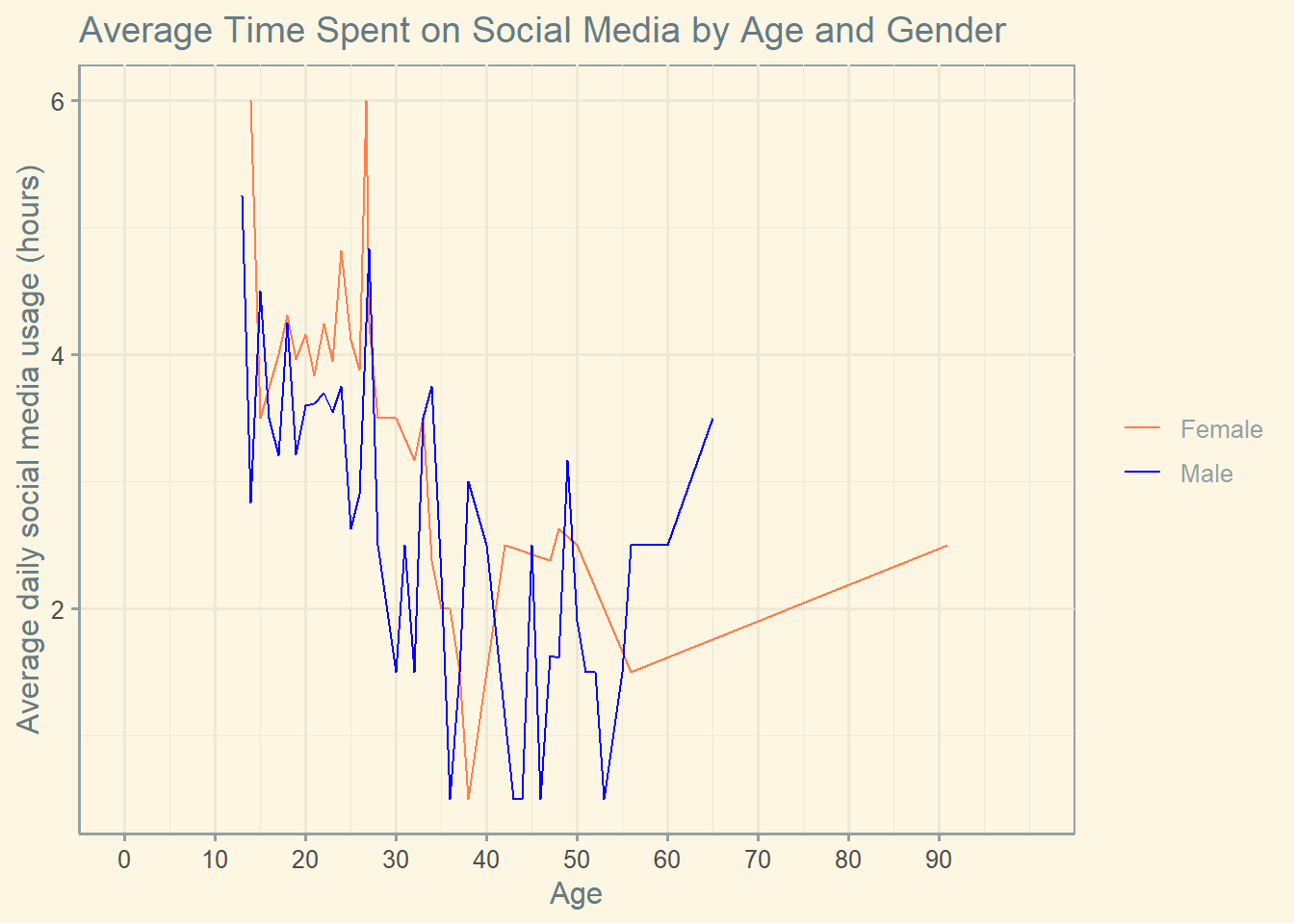
First, the average time spent on social media across different age groups and genders was analyzed and visualized with a line plot, identifying any age-related trends in social media engagement and how these might vary by gender.
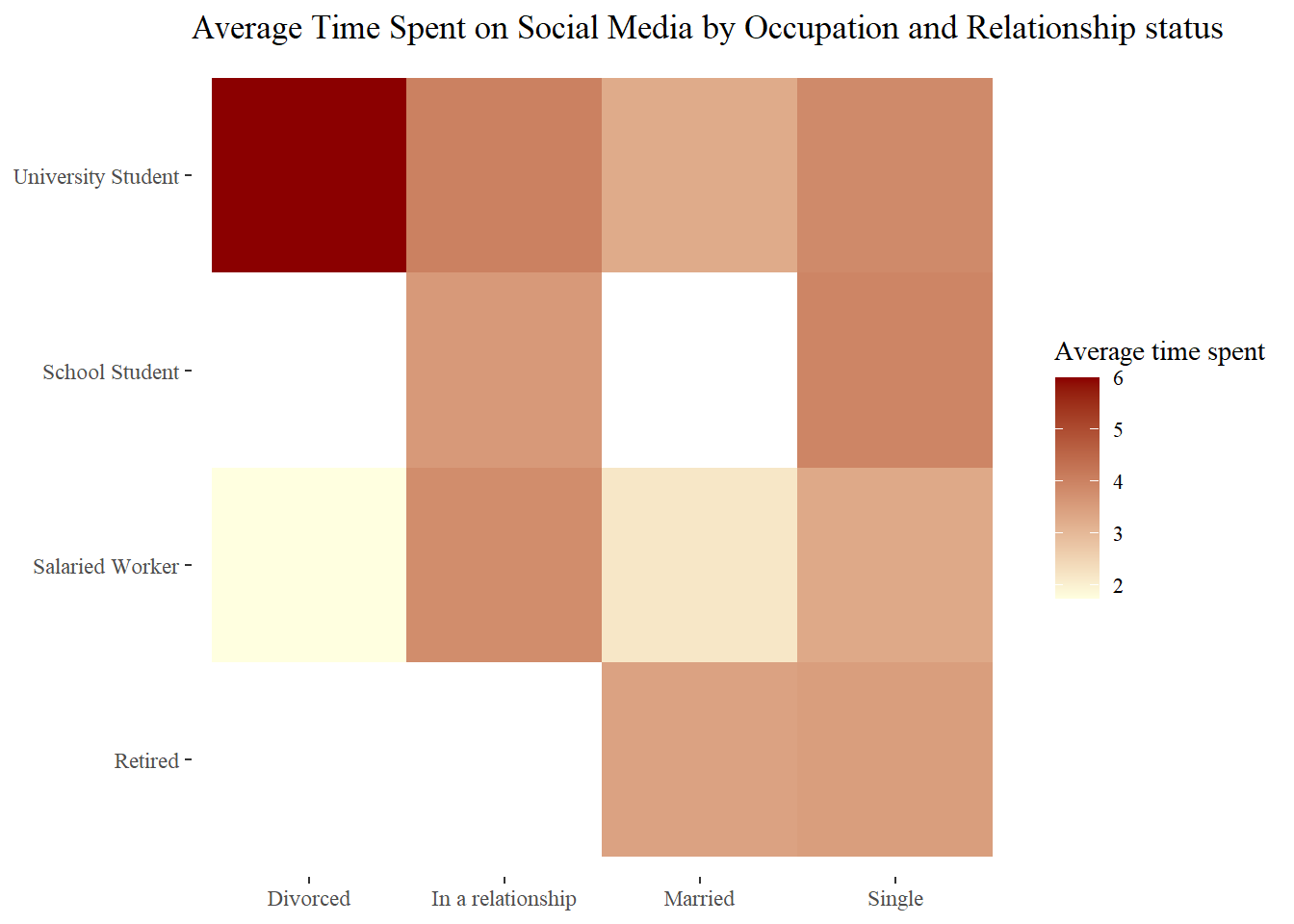
Relationship and occupation statuses were then explored to understand how these social contexts could influence time spent on social media, using a heat map and facet-wrapped bar plot for detailed comparisons.
Finally, potential associations between social media usage and various mental health indicators were examined, including ease of distraction, worries, concentration difficulty, feelings of depression, interest fluctuations, and sleep issues. This relationship was visualized through a stacked bar plot, facilitating a comparison of time spent on social media with responses to these mental health questions. Collectively, these visualizations provided a comprehensive view of how social media usage varies across demographic groups and its potential connections to aspects of mental well-being.
Find the plots below:
Heat map of average time spent on social media by occupation and relationship status
Facet plot of time spent on Social media by occupation and relationship
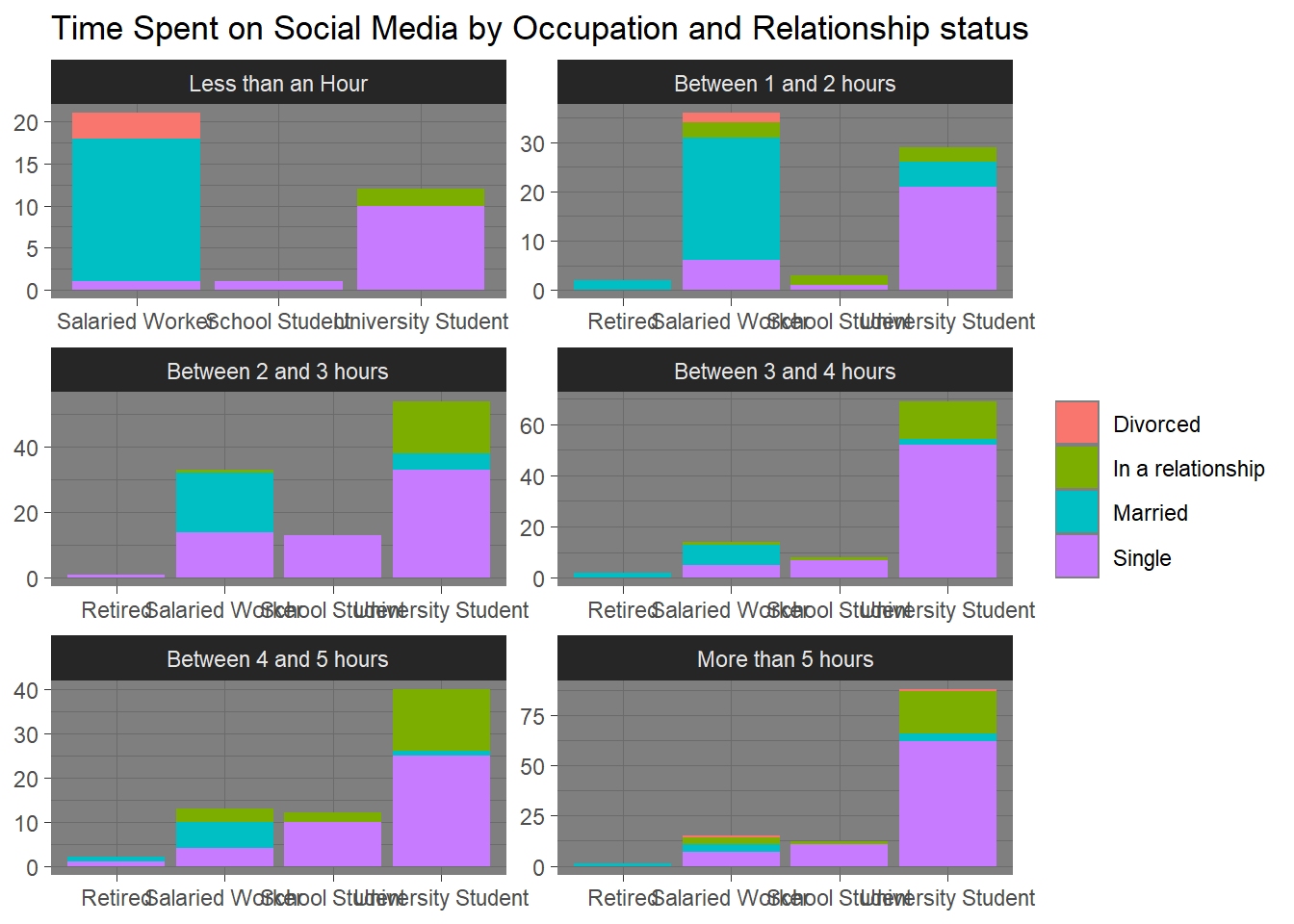
Both plots show that single university students spend the most time on social media. And married salaried workers spend the least time.
Comparison between time spent on social media and some indicators of mental health
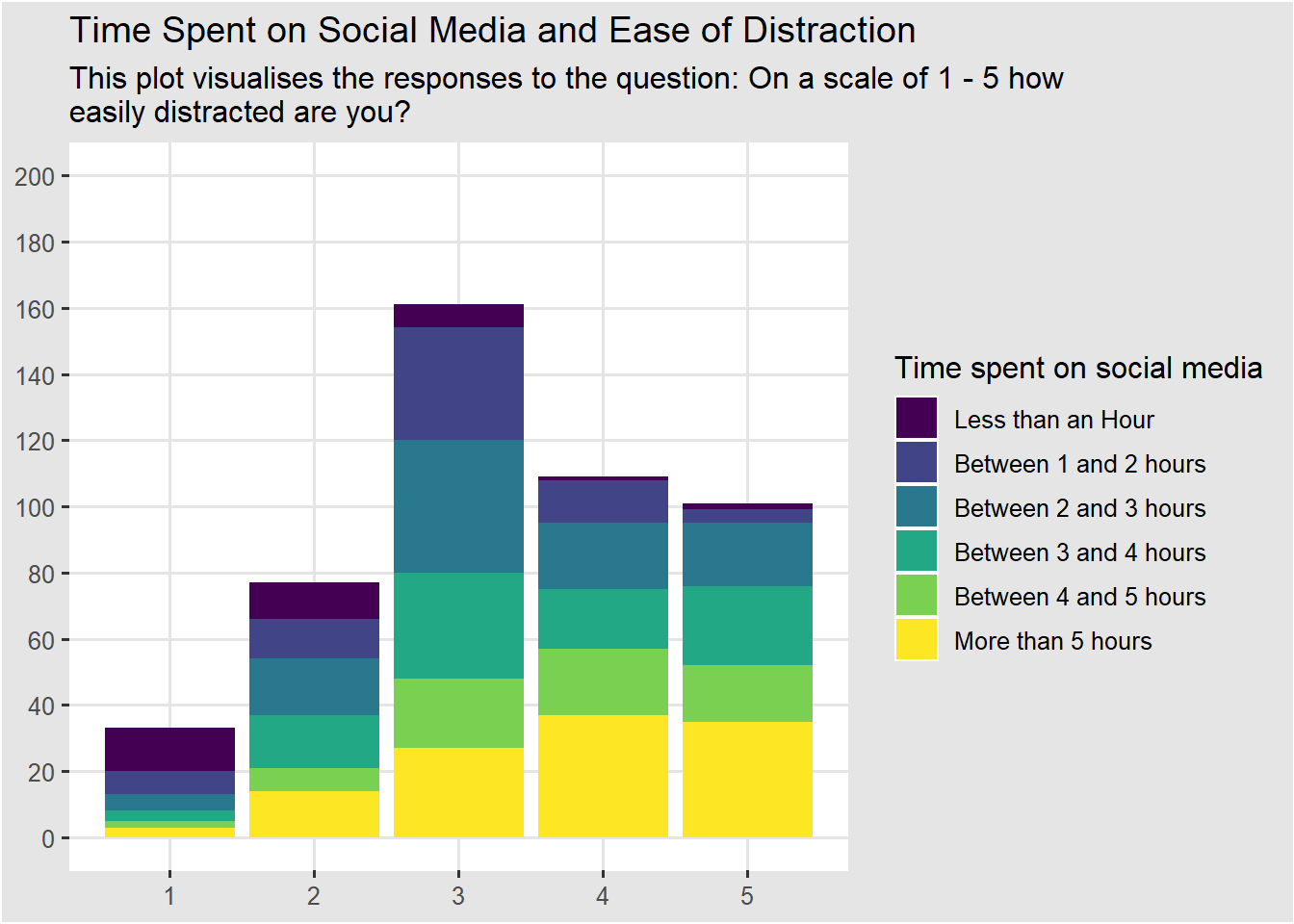
People who spend more than 4 hours on social media report being more easily distracted.
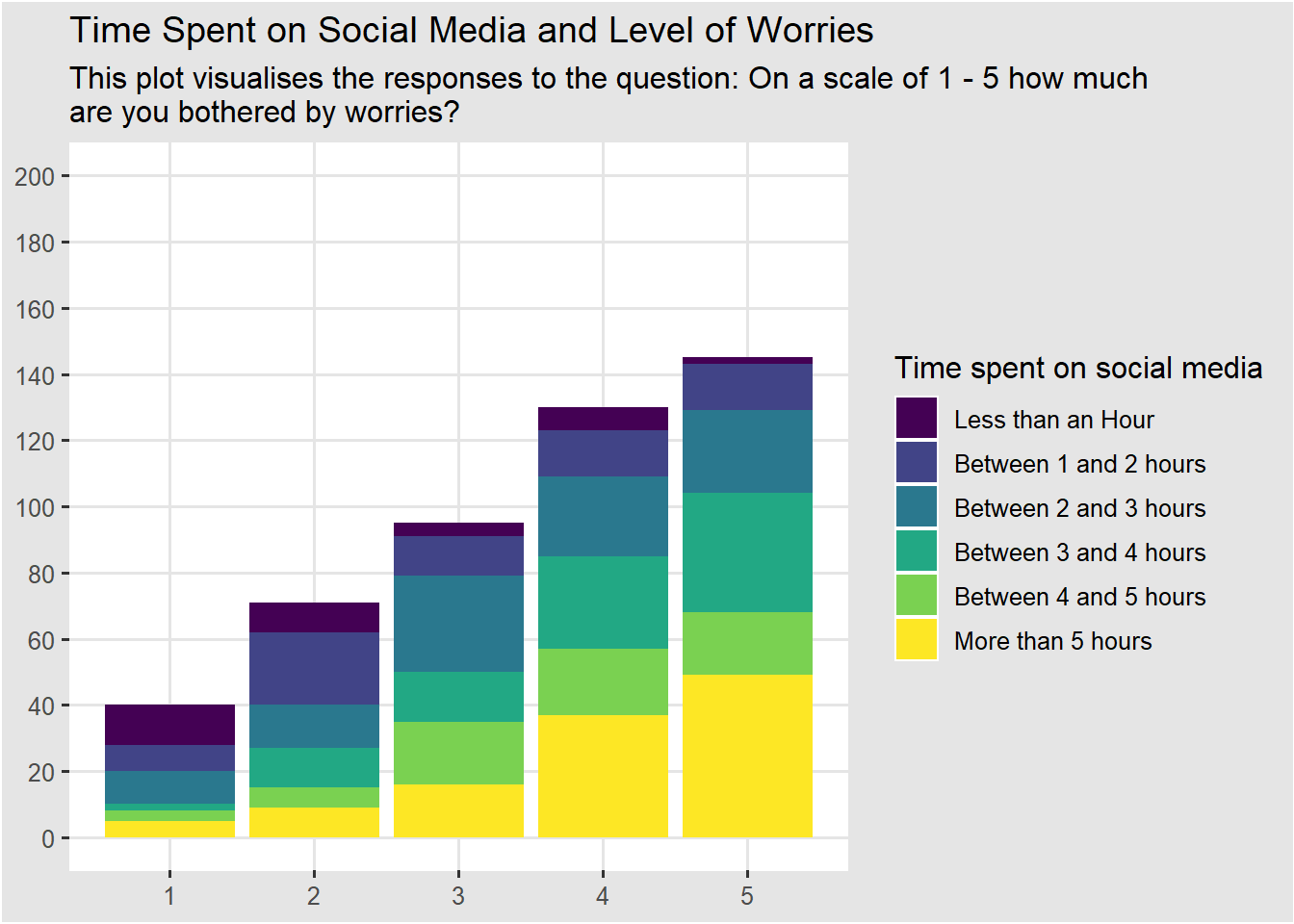
People who spend more than 5 hours on social media report being more bothered by worries.
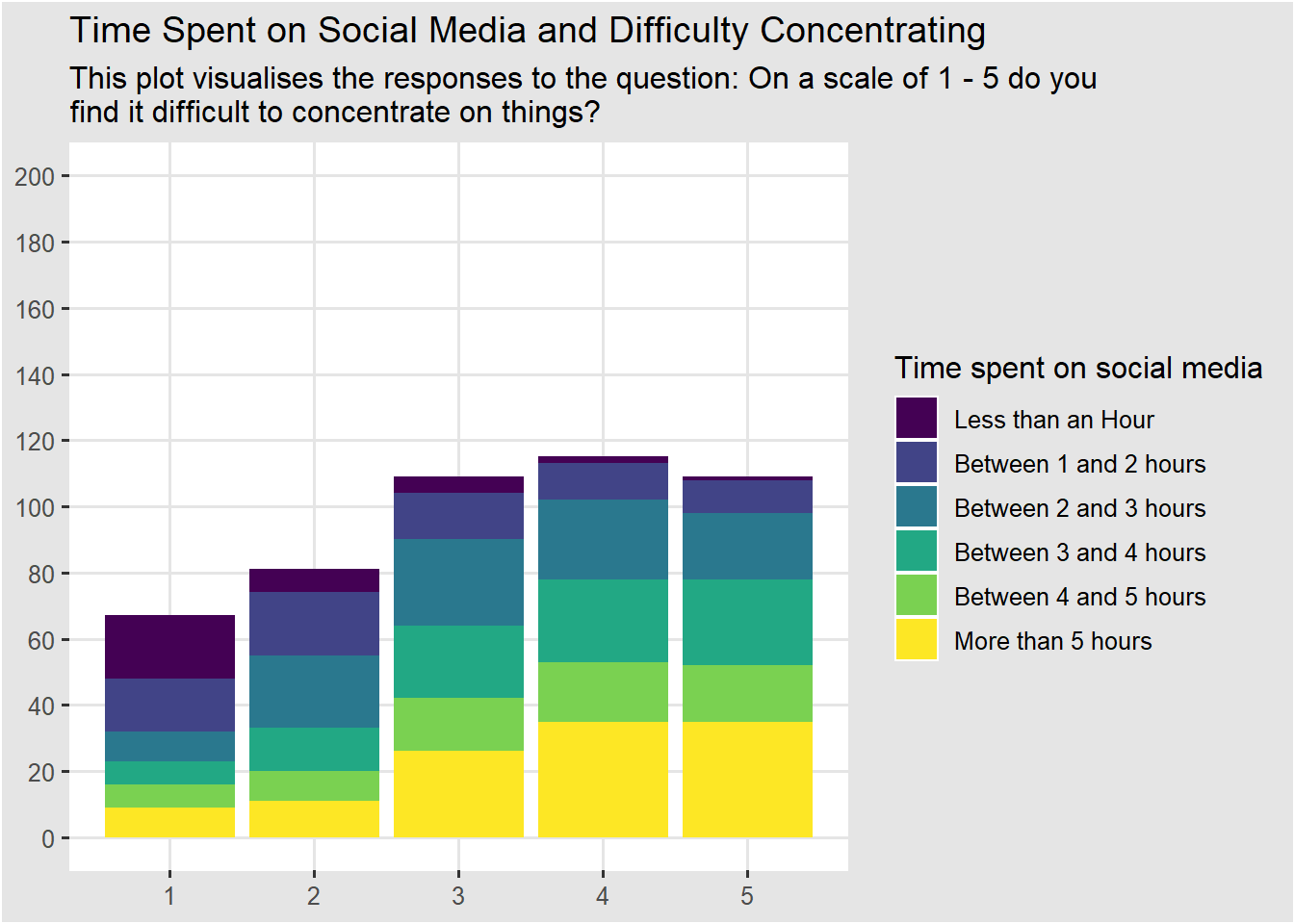
People who spend more than 5 hours on social media report more difficulty concentrating on things.
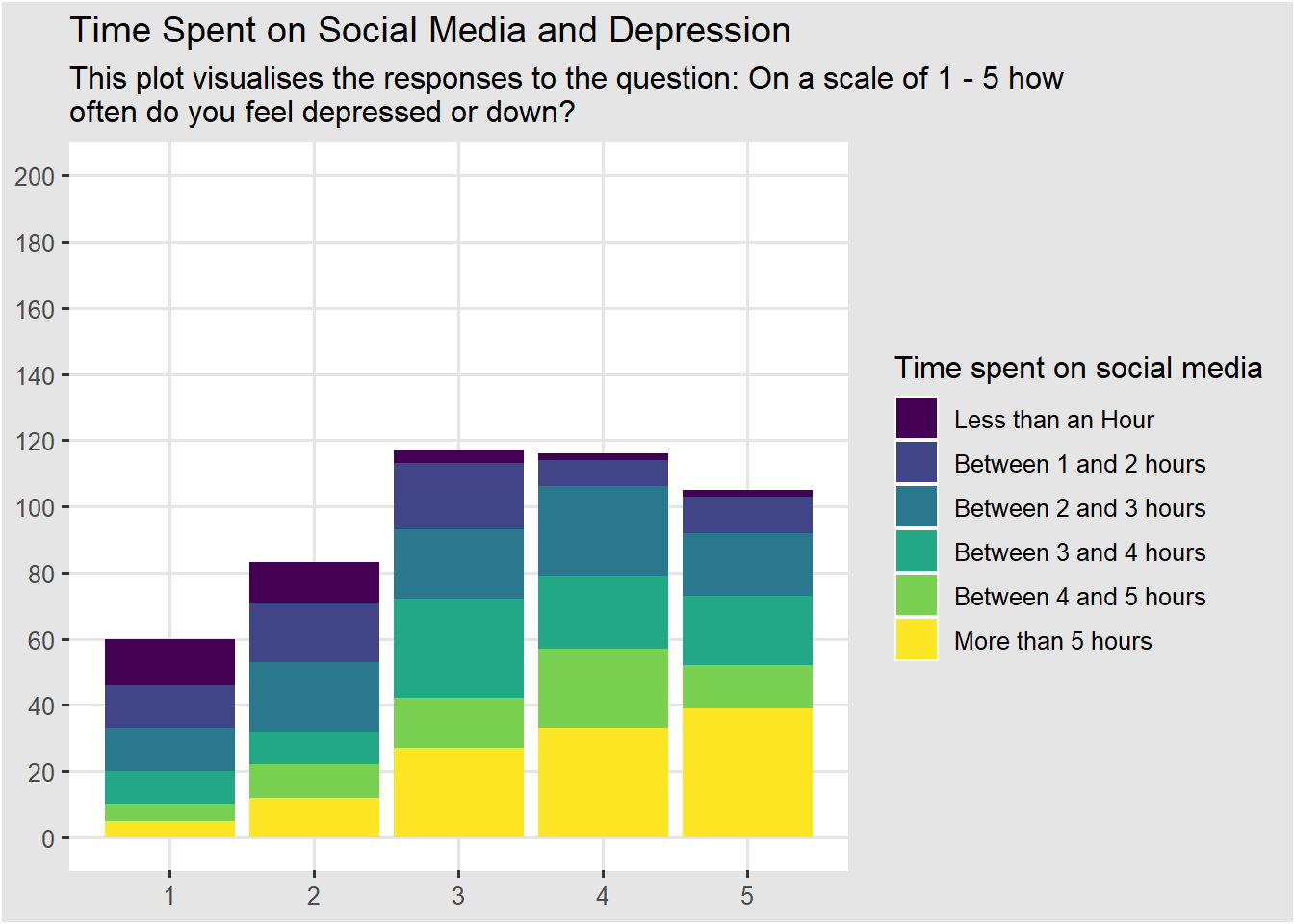
People who spend more than 4 hours on social media report feeling more down and depressed.
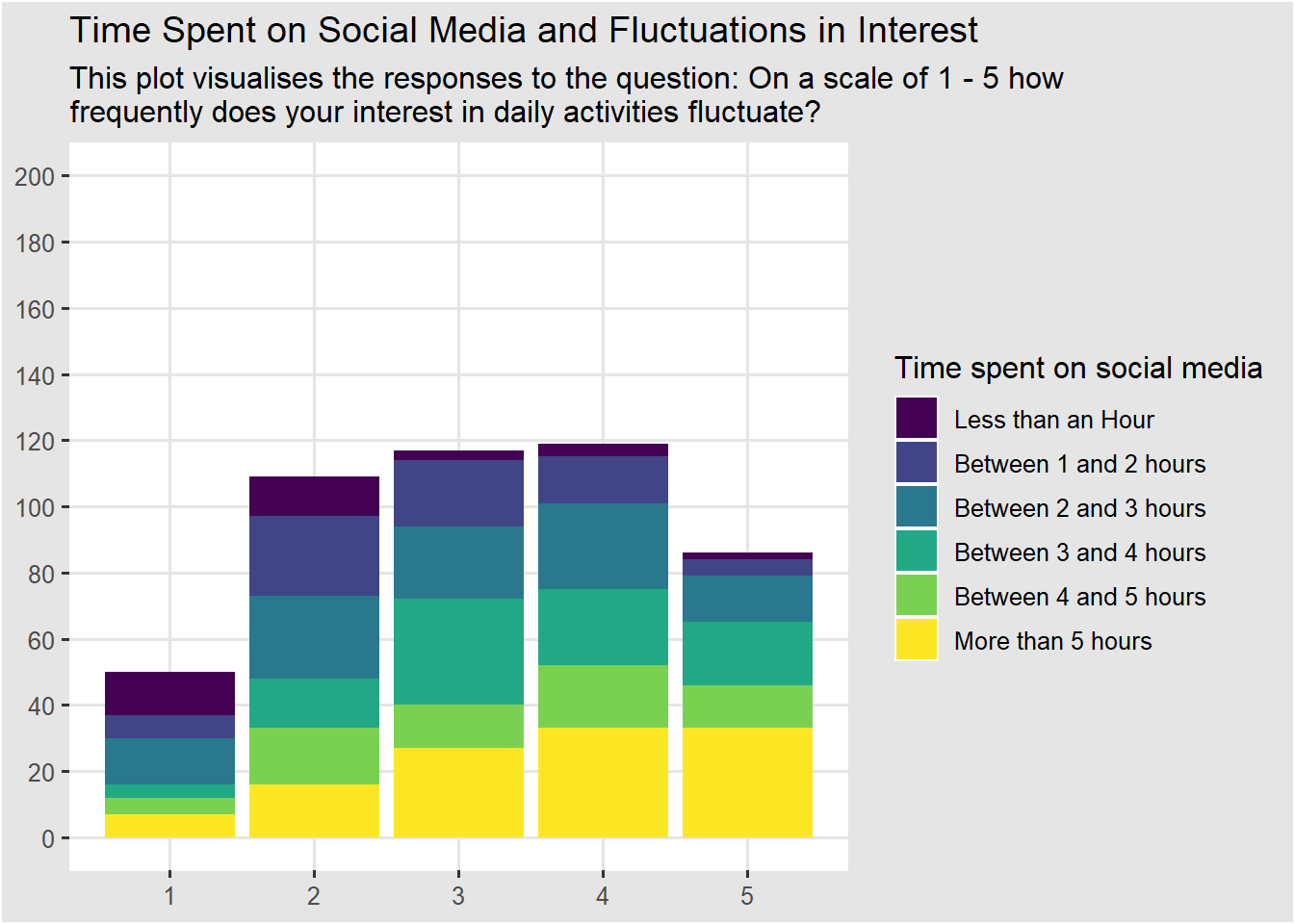
People who spend more than 4 hours on social media report more fluctuations in interest in daily activities.
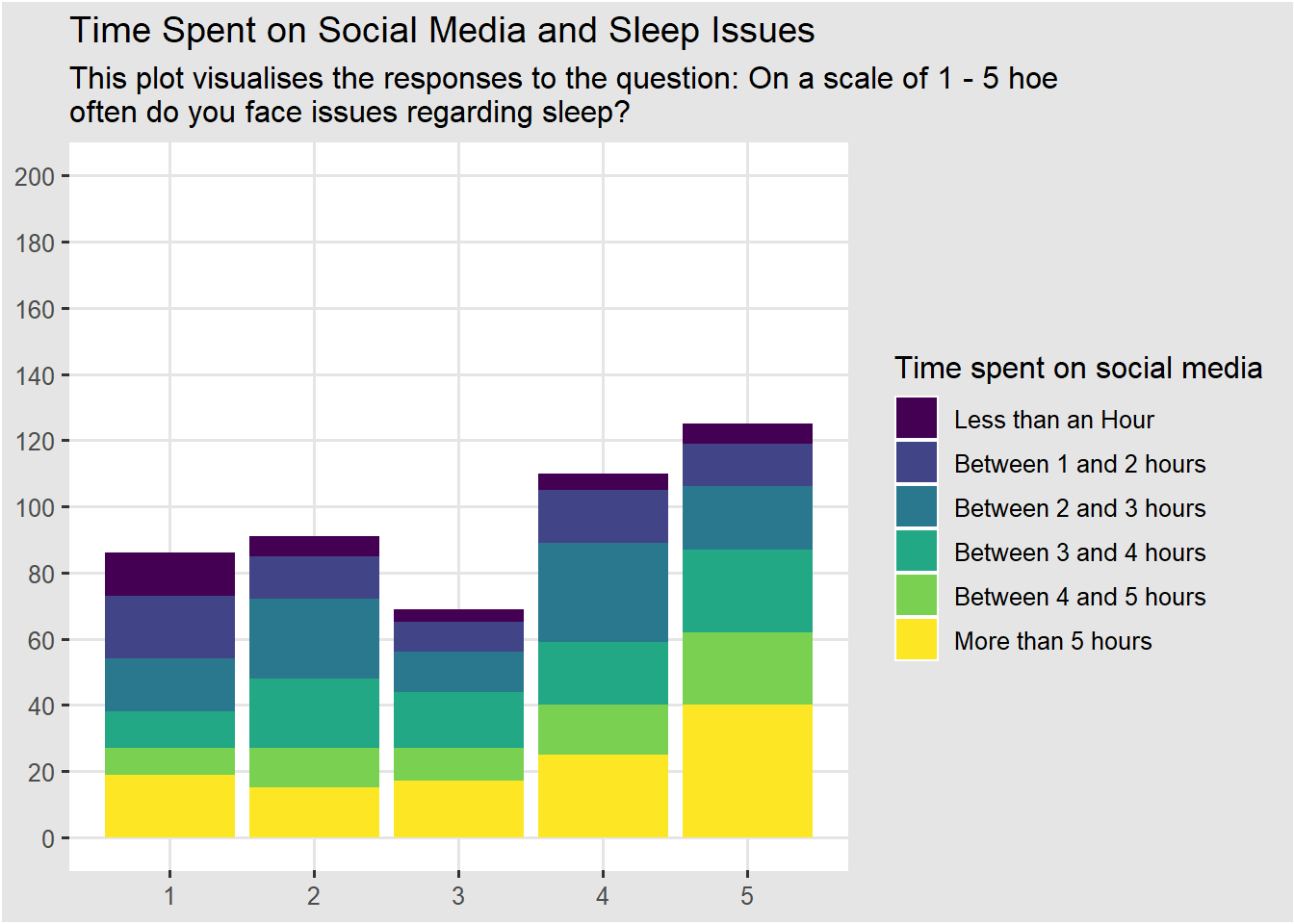
People who spend more than 5 hours on social media report more sleep disturbances.
Conclusion
This exploratory data analysis provided insights into the patterns and relationships surrounding social media usage and its potential connections with demographic characteristics and mental health indicators.
The analysis revealed variations in time spent on social media across age groups and genders, suggesting that social engagement on these platforms may differ based on demographic factors. Additionally, the influence of relationship and occupation status on social media usage highlighted possible social dynamics at play in digital habits.
Finally, comparisons between time spent on social media and mental health symptoms, such as distraction, worries, concentration difficulty, mood fluctuations, and sleep issues, indicated that higher social media engagement could be associated with certain mental health challenges. Together, these findings offer a nuanced understanding of how social media use may intersect with demographic variables and mental well-being, providing a foundation for further research into these interactions.
Footnotes
https://datareportal.com/reports/digital-2023-global-overview-report↩︎